
Therapy for Burnout in Culver City, CA
You didn’t burn out from working hard. You burned out from never letting yourself stop thinking, checking, ruminating.
You get it done… you always get it done. Then the project ends and your body finally cashes the check: you get sick, you crash, you can’t get off the couch. That’s not bad luck. That’s the cost of running on a nervous system that never got the signal to come down.
Therapy for high functioning anxious adults and teens experiencing burnout in Culver City, CA
Is this you?
You wake up already feeling drained.
You can’t remember the last time you truly relaxed.
You feel guilty when you rest or say no.
You’re more irritable, anxious, or emotionally numb than you used to be.
Work and responsibilities have taken over your life.
The things you once enjoyed no longer bring you much joy.
You feel like you’re surviving instead of living.
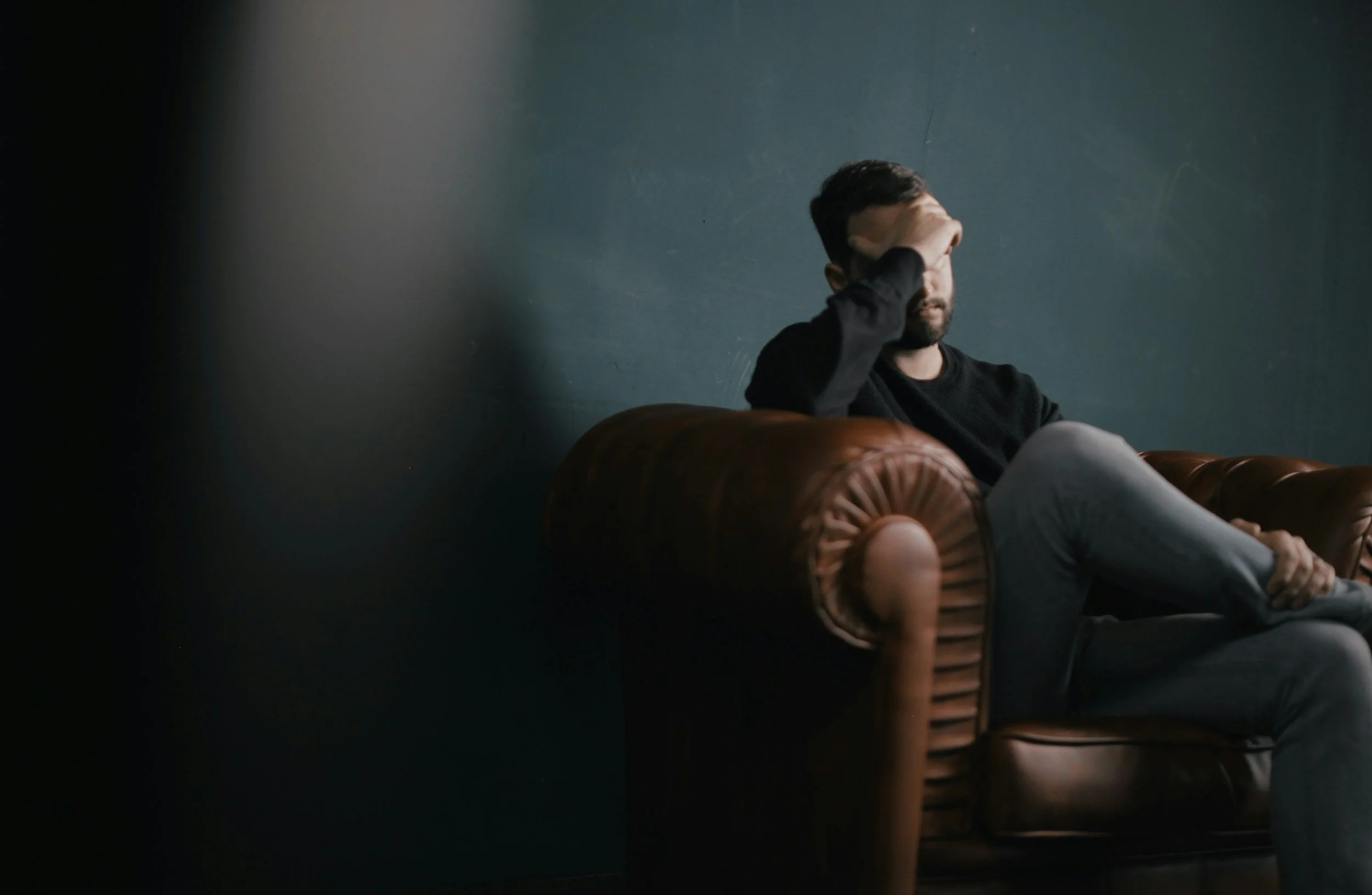
Signs you would benefit from Therapy for Burnout in Culver City, CA
Burnout doesn’t mean you’re weak—it often means you’ve been strong for too long without enough support.
Therapy may help if you:
Feel overwhelmed most days.
Struggle to switch off your mind.
Find yourself constantly people-pleasing or overcommitting.
Experience anxiety alongside chronic stress.
Have difficulty setting boundaries.
Feel disconnected from yourself, your relationships, or your purpose.
The optimizer’s greatest fear isn’t failure. It’s irrelevance. And transitions have a way of activating that fear at its deepest level.
How Therapy for Burnout Culver City, CA works
Burnout isn’t just about doing too much—it’s about what chronic stress does to your nervous system and your relationship with yourself.
Together, we’ll slow down enough to understand what’s keeping you stuck in survival mode. We’ll explore the patterns driving your exhaustion, regulate your nervous system, strengthen boundaries, and help you reconnect with the parts of yourself that have been buried beneath constant responsibility.
Sessions are online and in person and completely confidential in Culver City and across California.

What’s Actually Possible with Therapy for Burnout in Culver City, CA
Imagine waking up with more energy than dread.
Feeling calm instead of constantly on edge. Setting boundaries without guilt. Being fully present with the people you love. Trusting yourself, feeling more grounded in your body, and creating a life that feels sustainable—not just productive.
Burnout recovery isn’t about becoming someone new. It’s about returning to yourself.
That’s the transformation available on the other side of this. I have seen it many times for clients as well as for myself.
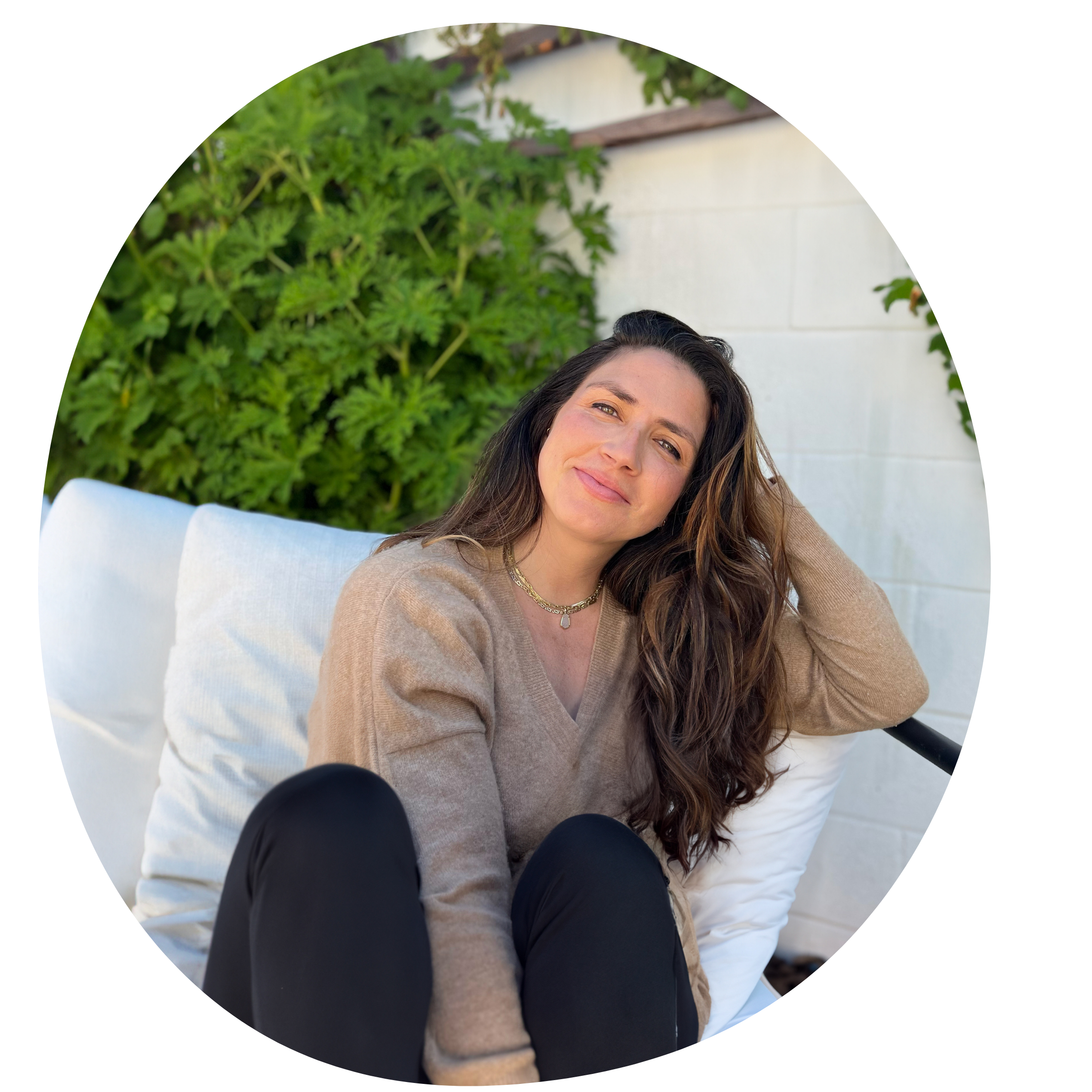
Meet your Culver City Burnout Therapist
Most of my clients don’t walk in calling it anxiety. They call it being driven. Being the reliable one. Being someone who doesn’t drop the ball. But underneath the performance is often a nervous system stuck in survival mode, running the same loop of overthinking, checking, bracing for what could go wrong. I call it mental hand-washing: the compulsive, invisible labor of trying to control an uncontrollable outcome by thinking about it one more time.
I’m a somatically informed therapist and anxiety specialist, and I work with high-intensity adults, teens and parents; athletes, founders, clinicians, creatives. People who’ve built their whole identity on discipline, and who are now finding that discipline alone isn’t enough. You can grind through a deadline and then get sick the moment it’s over. You can hold a relationship together on logistics and still feel like you’re living parallel instead of together with the person next to you. That’s not a personal failing. That’s what happens when the body never gets the signal to stand down.
Before I was a therapist, I spent over 15 years as a personal trainer and studio owner, which means I understand performance-driven people from the inside, the identity wrapped up in achievement, the discomfort with slowing down, the instinct to treat rest as weakness. I bring that same respect for training and repetition to therapy. I don’t think insight alone changes anything. I think of this work as Relationship Fitness: building the capacity with yourself, and with the people you love, the same way you’d build strength. Through consistent, structured, sometimes uncomfortable reps.
My approach draws on OCD-informed relational therapy, nervous system work, and parts work, but none of that matters if it doesn’t get you somewhere real. The goal isn’t to make you calmer on paper. It’s to help you trust yourself again and to feel like you’re back in your body instead of managing it from a control panel in your head. You can build a life, and relationships, that don’t just look balanced but actually feel like yours.
Ready to start Burnout in Culver City, CA?
You’ve been holding this together alone for a long time.
You don’t have to keep doing that.
Start with a free 15-minute consultation — online, confidential, no pressure. Just a real conversation with someone who already speaks your language.
My real goal for you? Look in the mirror and think, I GOT IT THIS and feel that rush of sincerity in your bones.