Why Do I Overthink Everything in My Relationship?
You try to act normal.
You tell yourself to calm down.
You know you’re spiraling.
And still — one short text, one delayed response, one subtle shift in energy can completely hijack your mind.

You replay conversations while brushing your teeth. You analyze punctuation. Timing. Tone.
You wonder if they’re pulling away. You wonder if you said too much.
You wonder why you can’t just relax and enjoy the relationship like other people seem to.
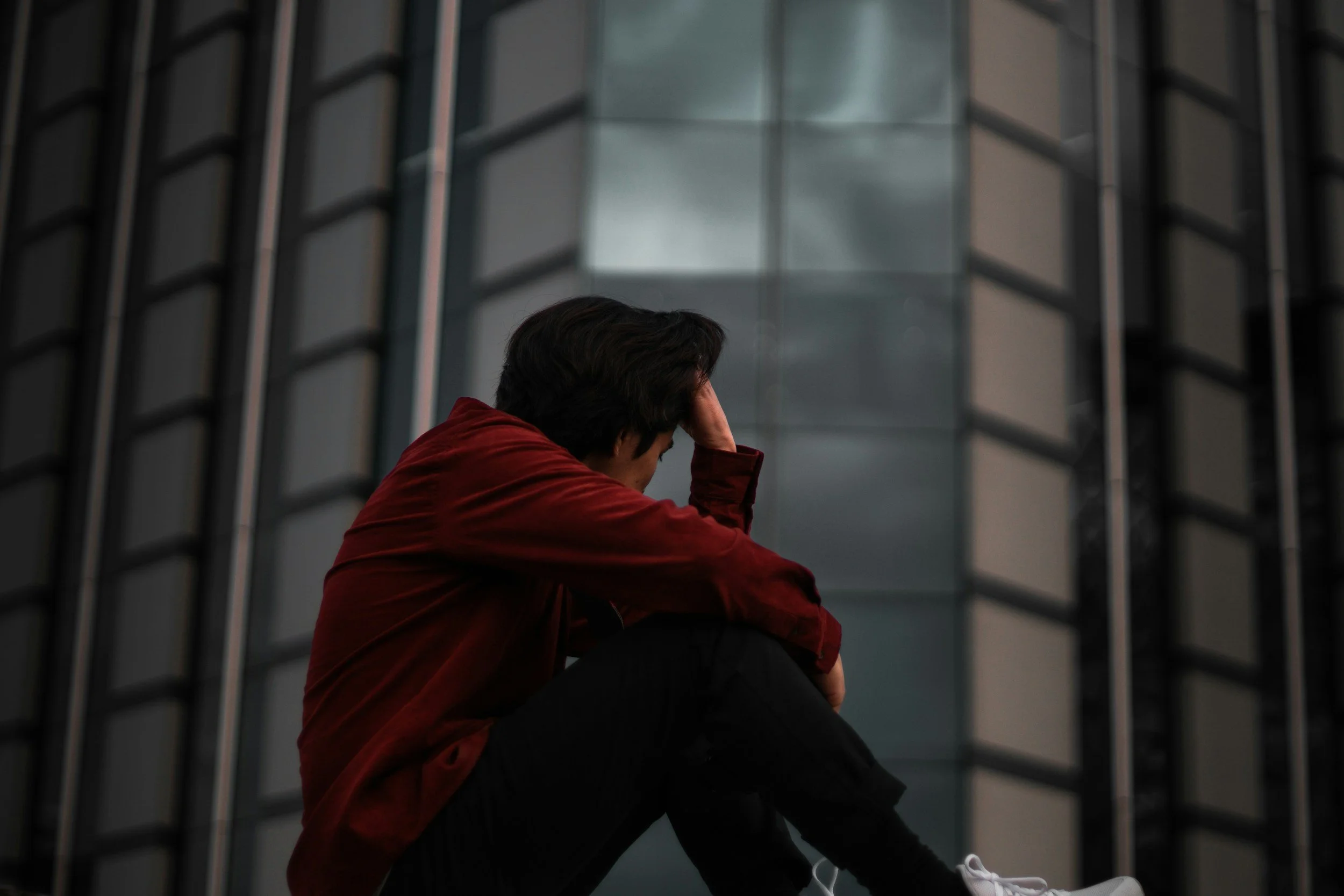
Meanwhile, you’re functioning everywhere else.
You handle work. Deadlines. Kids. Responsibilities. People depend on you. You are capable. High performing. Self-aware. But relationships?
Relationships make you feel emotionally chaotic. And that disconnect is exhausting.
Because part of you knows the overthinking is too much. But another part of you is terrified to ignore it. What if your anxiety is actually intuition? What if you miss something important? What if relaxing is what gets you hurt?
AND THE KICKER, what if they “find out.”
The underlying, unspoken, maybe not even thought fear. What is they find out about who you really are…
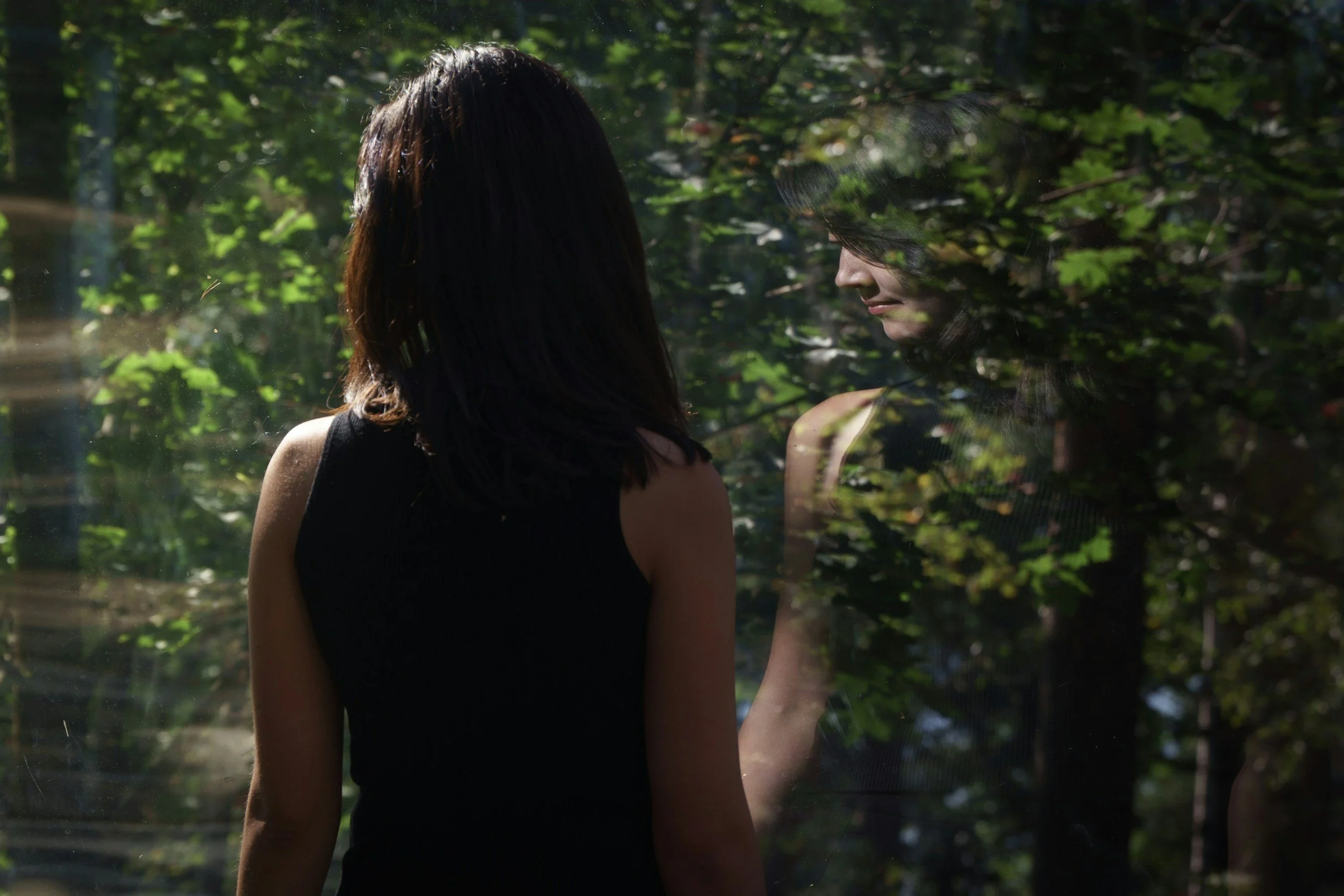
So your brain stays on. Scanning. Monitoring. Preparing.
Not because you’re dramatic. Because somewhere along the way, love stopped feeling emotionally safe. A lot of people who overthink in relationships in Los Angeles and across California become experts at self-abandonment without realizing it. You start tracking the other person so closely that you slowly lose connection to yourself. Because relationship “failure” feels like just any regular old failure. And the sneaking suspicion creeps in, what if it is me?
You stop asking:
“What do I feel?”
And start obsessing over:
“What do they feel?”
“Are we okay?”
“Did something change?”
“Am I too much?”
“Should I pull back?”
“Should I ask for reassurance or will that push them away?”
The worst part is how lonely it feels internally.
Because from the outside, people assume you’re fine. Maybe even confident. But internally you are carrying constant emotional noise. Constant second-guessing. Constant tension.
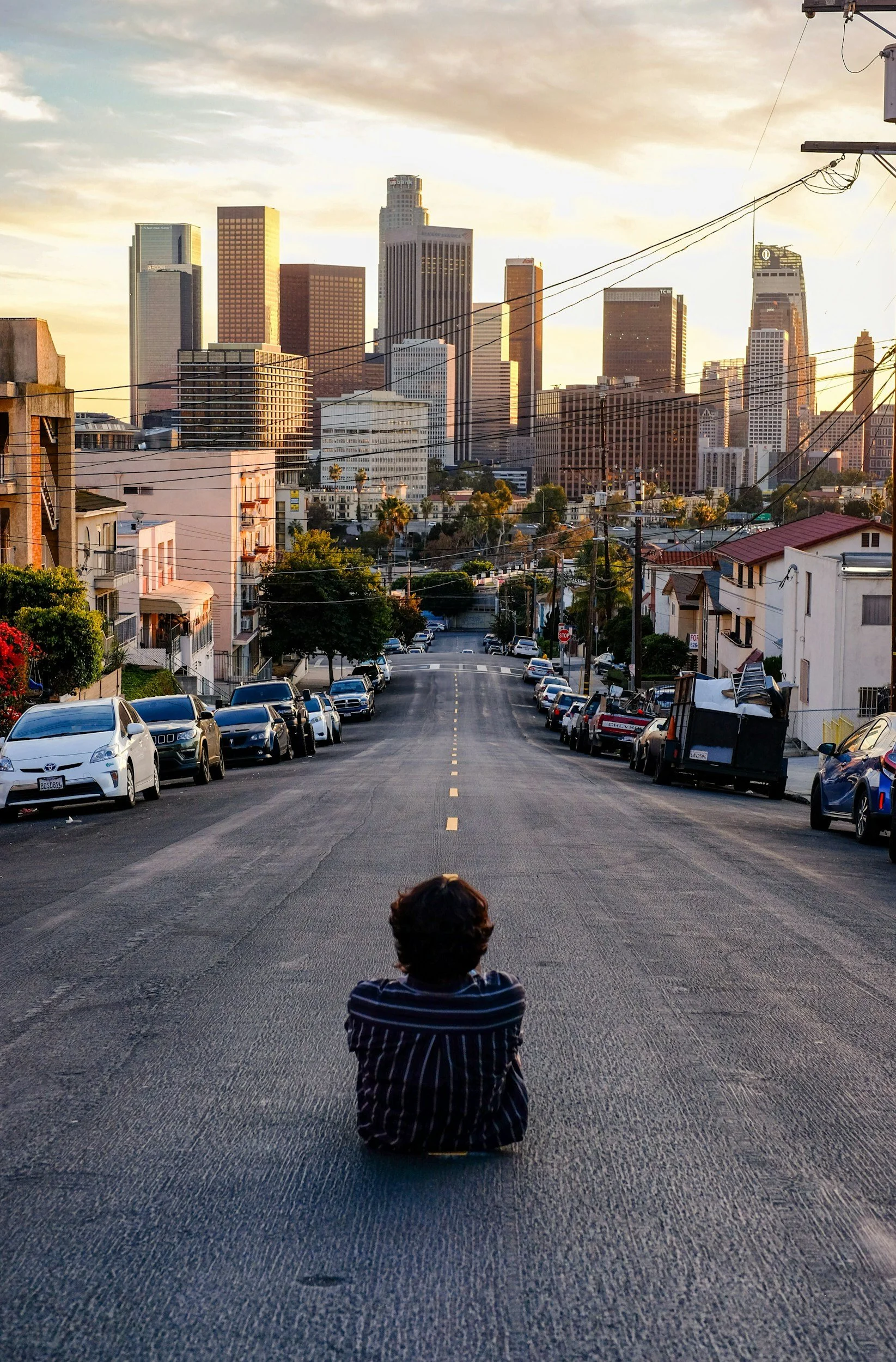
Even good relationships can feel hard to enjoy when your nervous system is always waiting for the other shoe to drop. Sometimes the overthinking turns into resentment. You become tired of being the one who cares more. Tracks more. Thinks more. Needs more reassurance. Notices every shift. Holds everything emotionally.
And then comes the shame:
“Why am I like this?”
“Why can’t I just be easy?”
“Why do relationships affect me this much?”
But overthinking is rarely just overthinking. Usually it is fear.
Fear of abandonment.
Fear of rejection.
Fear of being unwanted, forgotten, replaced, or emotionally unsafe.
So your mind tries to protect you by staying hyperaware.
The problem is: if start and maybe have always thought that IF ONLY you were different, or this one part of you was different than the stress, tension, discomfort, anxiety or pressure would go away. You would be relaxed and relationships would feel “easy.” And with all conditional thinking, you are the one controlling the conditions and that can feel like a lot of pressure and the need to perform can feel overwhelming.
You deserve more than constantly monitoring whether you are loved. You deserve relationships where you are not performing for safety. Not earning reassurance. This is not about changing your relationships, it is about changing how you orient in yourself in relationships. Subtle shifts can make the same relationship feel completely different.
Not managing every emotional shift before it becomes a problem. Real healing is not becoming “less emotional.” You do not need to me managed because there is not anything to manage.
It is learning how to feel connected without constantly living in fear of disconnection. Getting out of your head and fears and into your body.
You are not alone. I work with clients a therapist and coach in Los Angeles and across California, setting boundaries, upleveling communication skills and supporting clients to feel seen and safe in relationships that already have and are looking to build.